"How long should I stay?" is the most common question we get at Catterfly.
You want to experience the magic of Japan, but your vacation days are limited. To help you plan without the stress, here is our simple breakdown of how long to stay. You could spend months exploring the Japanese archipelago, the ideal trip length depends on your origin country, travel style, and key priorities. For most first time travelers, 10 to 14 days offers the ultimate balance. A 10 day trip is ideal for fast-paced family vacations centered on theme parks and major city highlights, whereas 14 to 21 days allows for an unhurried, slow-travel heritage experience across historic mountain towns and coastal cities.
365 Day Seasonal Booking Lead Time Guide
A 10 day trip is perfect for an action packed family vacation hitting the big cities and theme parks. However, if you'd rather take your time soaking in historic mountain towns and coastal cities without feeling rushed, aim for 14 to 21 days. .
The biggest secret to a stress free Japan trip is to book early! Bullet train seats, cozy ryokan stays, and popular attraction passes often sell out months in advance. To avoid missing out, follow this planning timeline:
The biggest secret to a stress free Japan trip is to book early! Bullet train seats, cozy ryokan stays, and popular attraction passes often sell out months in advance. To avoid missing out, follow this planning timeline:
- US Family Summer Vacation (June - July): Reserve long-haul flights, Ghibli Museum passes, and Universal Express Passes between January and February (4-5 months ahead).
- European Heritage Extended Trips (August Peak): Secure private cultural guides, traditional ryokans, and regional transport passes between February and March (5-6 months ahead).
- Indian Summer School Holidays (May - June): Lock in direct flight seats from major hubs (DEL/BOM/BLR) and family holiday packages between January and February (3-4 months ahead) to manage peak holiday surges of +80% to +110%.
Estimated Trip Cost Breakdown by Currency
Trip budgets vary significantly based on your region of origin, flight routes, and accommodation standards. Below is a comparative cost breakdown across major currencies that will help you plan your trip hassle-free:
- 10 Day US Family Vacation ($ USD): $2,800 - $4,200 / person (Includes Tokyo Disneyland/DisneySea, USJ Express Passes, Shinkansen rail, family hotel suites, and kid-friendly dining).
- 14-21 Day EU Slow Heritage (€ EUR): €2,800 - €4,800 / person (Includes private heritage guides, boutique ryokans with Kaiseki dining, UNESCO site entries, and regional rail passes).
- 10 Day India Summer Package (₹ INR): ₹1,60,000 – ₹2,40,000 / person (Includes direct/connecting flights from DEL/BOM/BLR, Golden Route highlights, guided group tours, and vegetarian food support).
10 Day US Family Itinerary: Anime, Theme Parks & Golden Route
If you are an American family traveling with kids during the summer break, this is the exact flow you want to aim for:
Primary Destinations: Tokyo, Kyoto, and Osaka.
Let's be honest trying to squeeze all three cities into a single week with children can easily feel exhausting. Here is the stress free way to pace your 10 days:
Primary Destinations: Tokyo, Kyoto, and Osaka.
Let's be honest trying to squeeze all three cities into a single week with children can easily feel exhausting. Here is the stress free way to pace your 10 days:
Itinerary Structure:
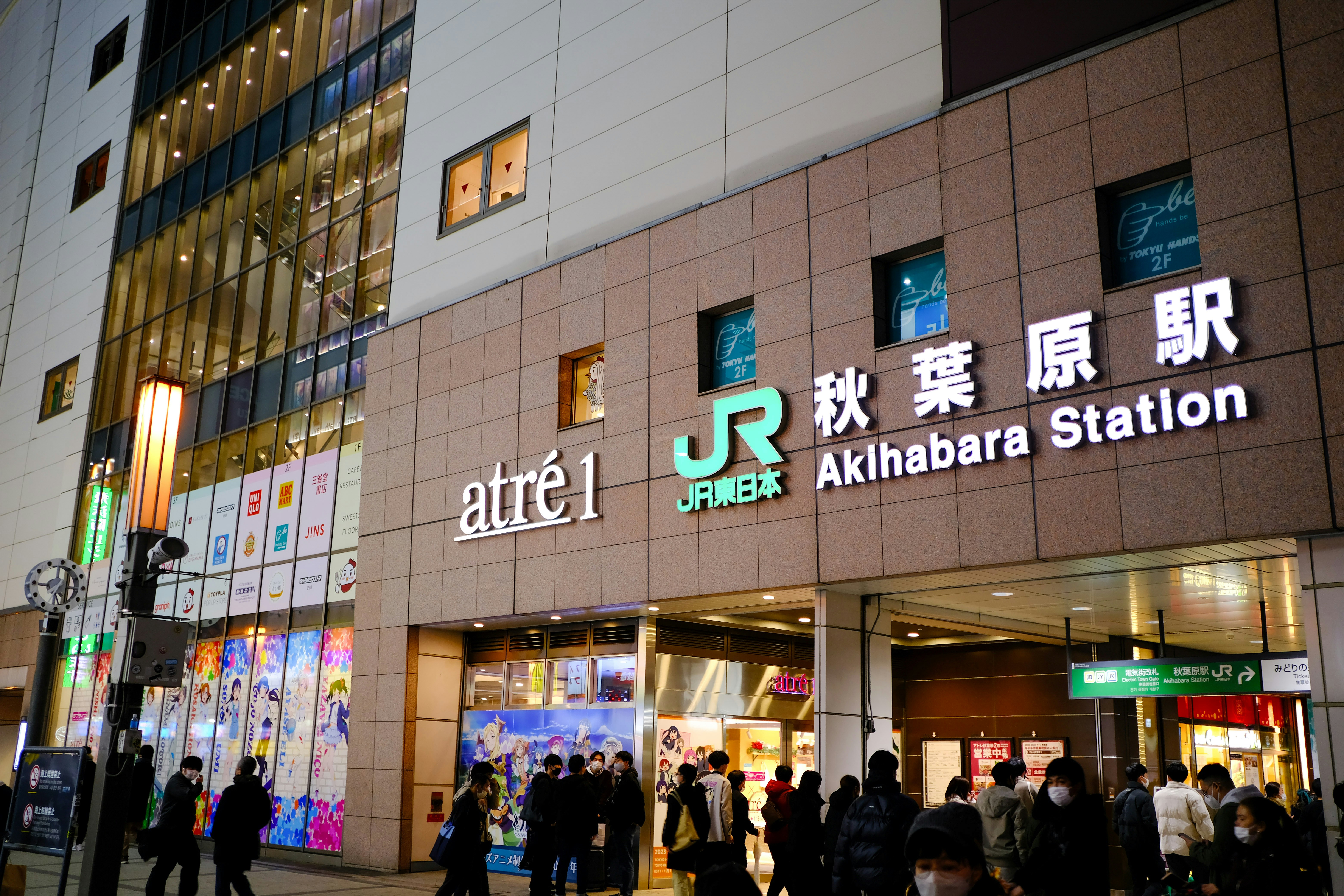
- Days 1-3: Modern Tokyo & Pop Culture (Shibuya, Tokyo Disneyland, Ghibli Museum).
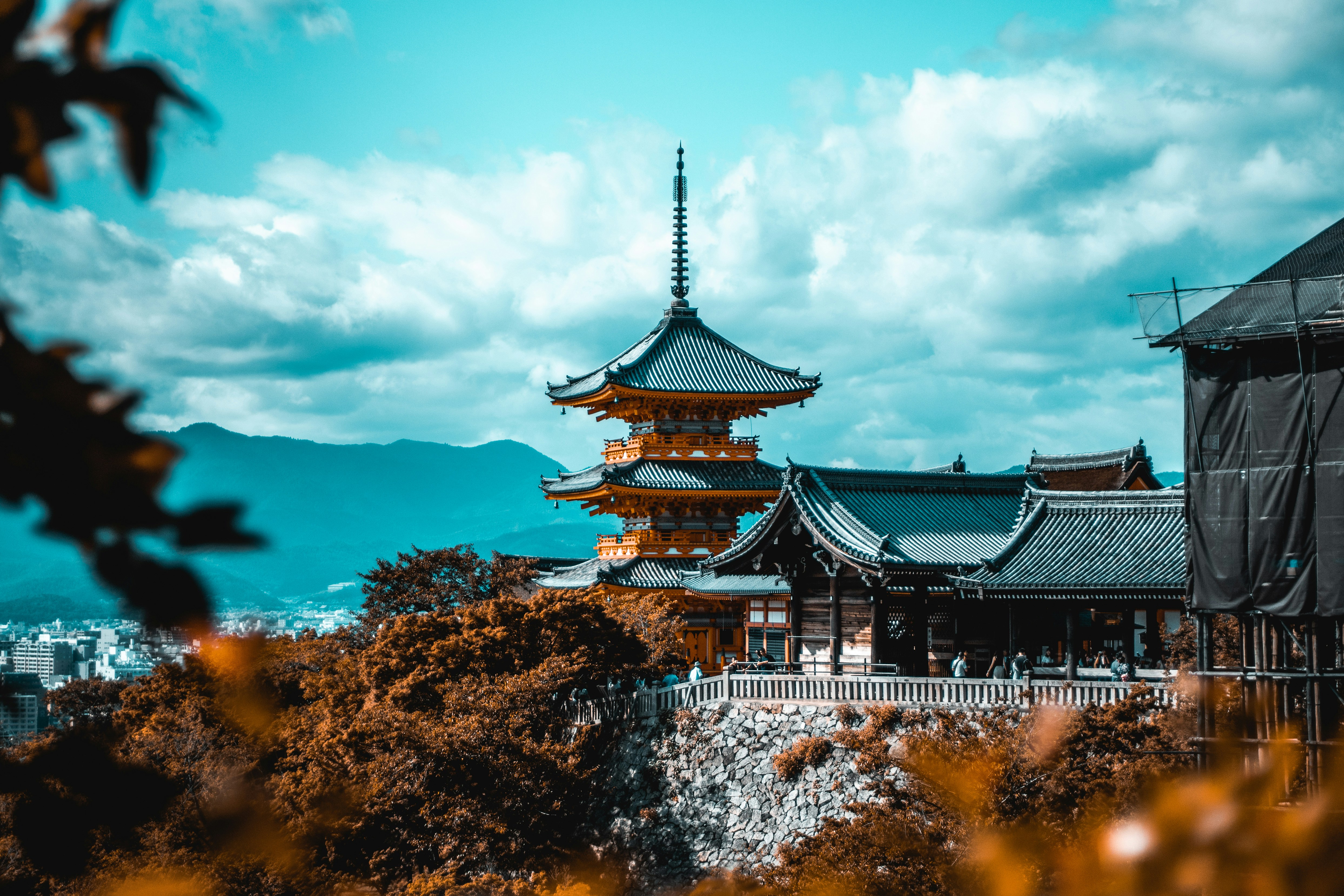
- Days 4-6: Bullet Train to Kyoto & Cultural Immersion (Shinkansen, Fushimi Inari, Samurai workshop).
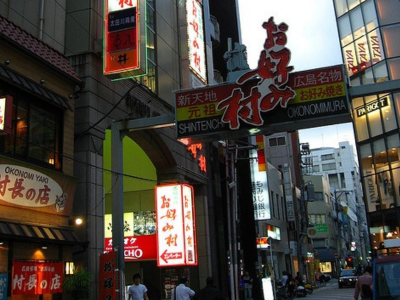
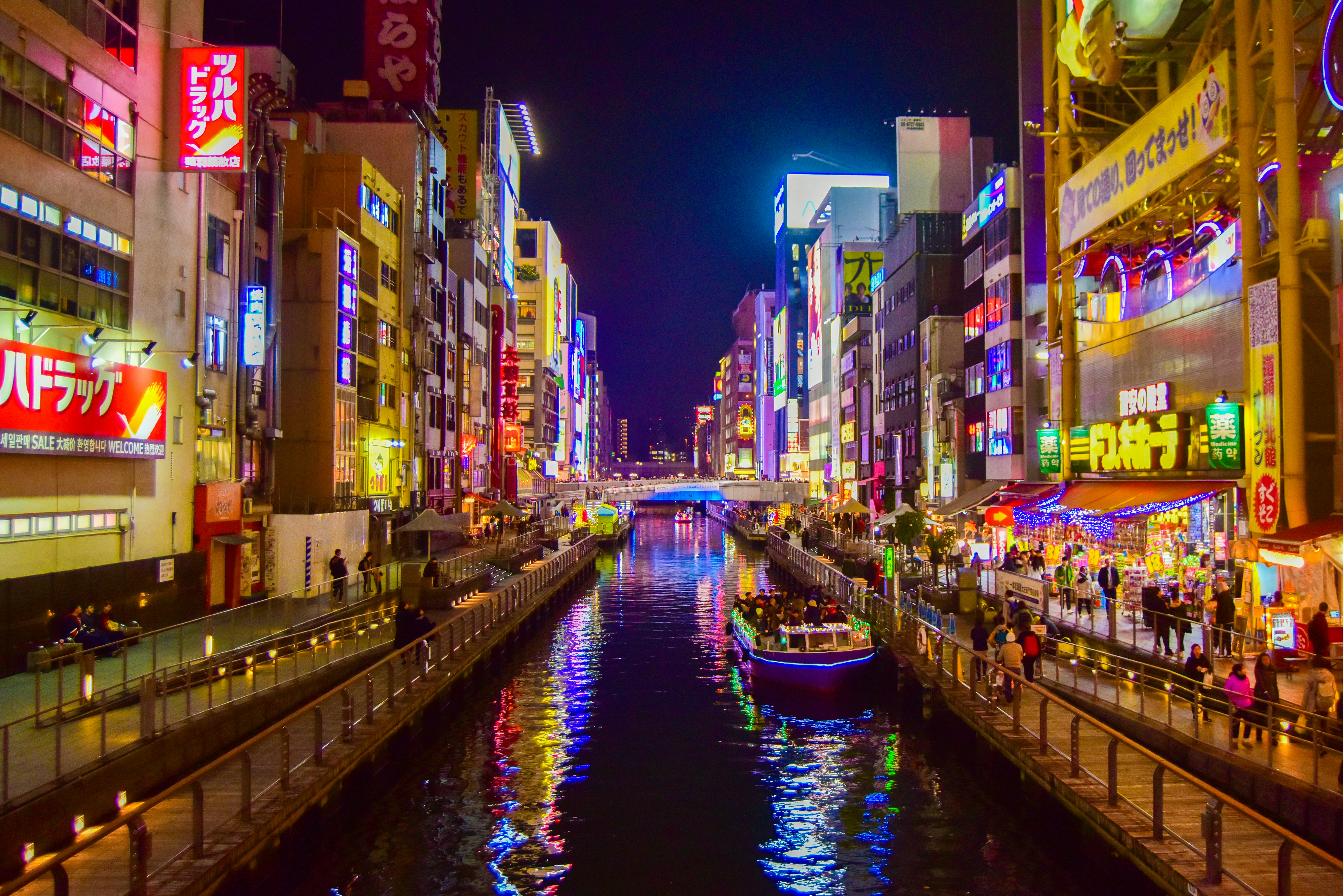
- Days 7-9: Osaka & Universal Studios Japan (USJ Express Passes, Dotonbori).
- Day 10: Departure (KIX or NRT/HND).
Key Family Travel Tips:
- Express Passes: Super Nintendo World and Ghibli Museum passes sell out rapidly; secure these during the January-February booking window.
- Family Dining: Look for family friendly restaurants (famiresu) such as Jonathan's.
14 to 21 Day European Heritage & Cultural Slow Travel Itinerary
Japan is a destination that truly rewards a slower, more immersive travel style. Taking the time to explore historic mountain towns, traditional craft villages, and ancient temples lets you experience the culture far beyond the usual tourist path.
If you are planning an extended trip during the peak summer or autumn windows, here is the ideal way to plan your journey:
If you are planning an extended trip during the peak summer or autumn windows, here is the ideal way to plan your journey:
Primary Destinations: Tokyo, Kanazawa, Takayama, Kyoto, Hiroshima, Osaka.
Itinerary Structure:
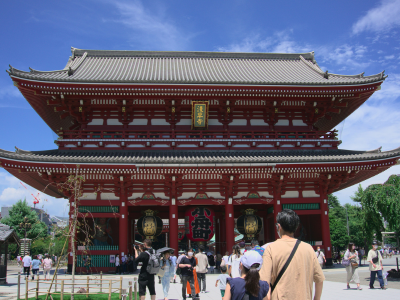
- Days 1-4: Historic & Modern Tokyo (Asakusa, Kamakura day trip).
- Days 5-7: The Japanese Alps (Kanazawa gardens, Takayama merchant streets).
- Days 8-13: Kyoto’s Cultural Heartlands & Nara (UNESCO temples, Ryokan stay, Nara deer).
- Days 14-17: Hiroshima, Miyajima & Kurashiki (Peace Park, Floating Torii, Canal district).
- Days 18-21: Mount Koya Spiritual Retreat & Osaka (Shojin Ryori dining, Departure).
Key Heritage Travel Tips:
- Luggage Forwarding: Use Takuhaibin services to send heavy bags directly from Tokyo to Kyoto.
- Lead-Time: For August peak travel, lock in private heritage guides by February-March.
10 Day India Summer Break Itinerary: Flights, Highlights & Family Tips
For families travelling together during the May-June school holiday period, a trip that balances kids' excitement with smooth transit logistics makes all the difference. If you are looking to cover the classic highlights without feeling rushed, here is the ideal way to pace your 10 days:
Primary Destinations: Tokyo, Mount Fuji / Hakone, Kyoto, and Osaka.
Itinerary Structure:
- Days 1-3: Arrival in Tokyo & City Highlights (Direct flights DEL/BOM/BLR, Senso-ji, Ginza).
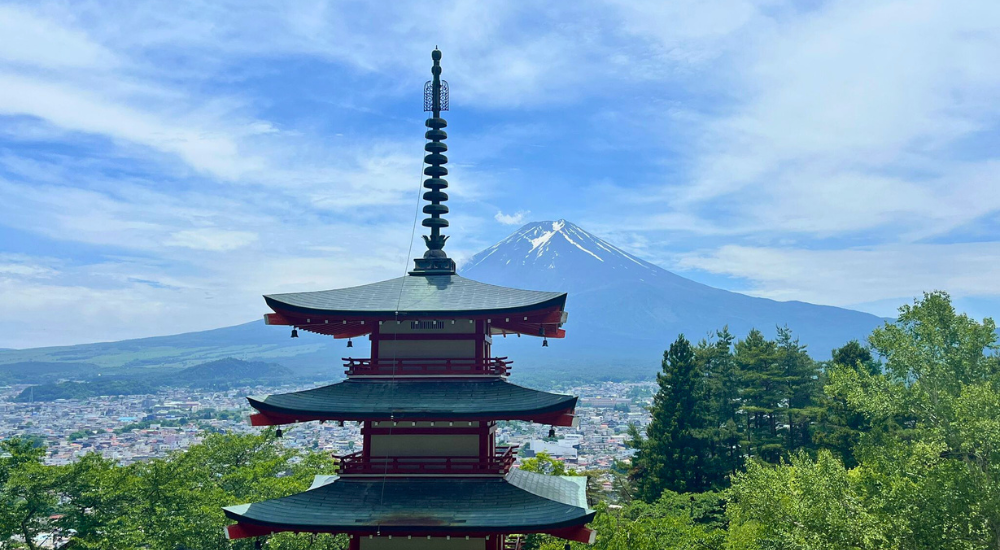
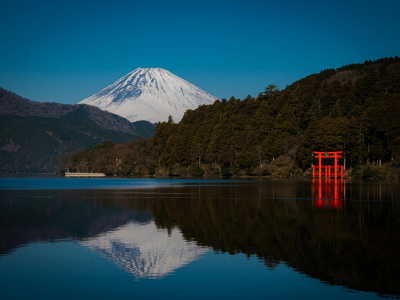
- Days 4-5: Mount Fuji & Hakone Scenic Circuit (5th Station, Lake Ashi cruise).
- Days 6-8: Kyoto Shinkansen Experience & Culture (Kinkaku-ji, Gion walking tour)
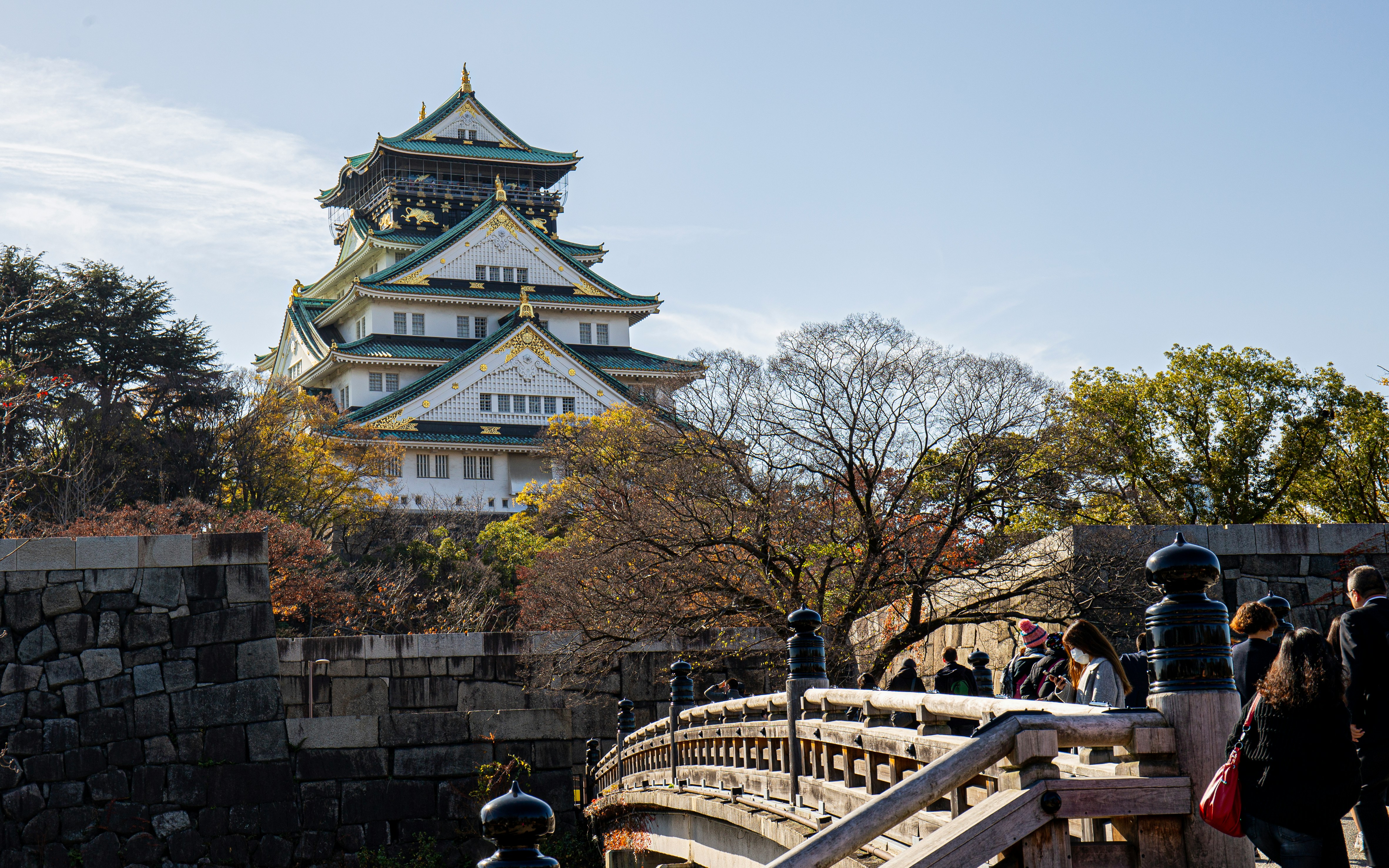
- Days 9-10: Osaka Highlights & Departure (Osaka Castle, Shinsaibashi, KIX departure).
Key Heritage Travel Tips:
- Flight Connectivity: Direct flights operate out of Delhi; single-stop flights connect Mumbai and Bengaluru.
- Dietary Support: Major Japanese cities feature certified Indian restaurants and Buddhist vegetarian cuisine.
- Booking Window: May school holiday demand surges; secure flights by January-February.
Plan Your Custom Japan Journey with Catterfly:
Whether you are seeking a 10 day theme park adventure for your family, a 21 day slow cultural discovery across historic regions, or a summer holiday package with direct flight options, Catterfly creates custom itineraries tailored to your schedule, budget, and travel style.